
FOREST
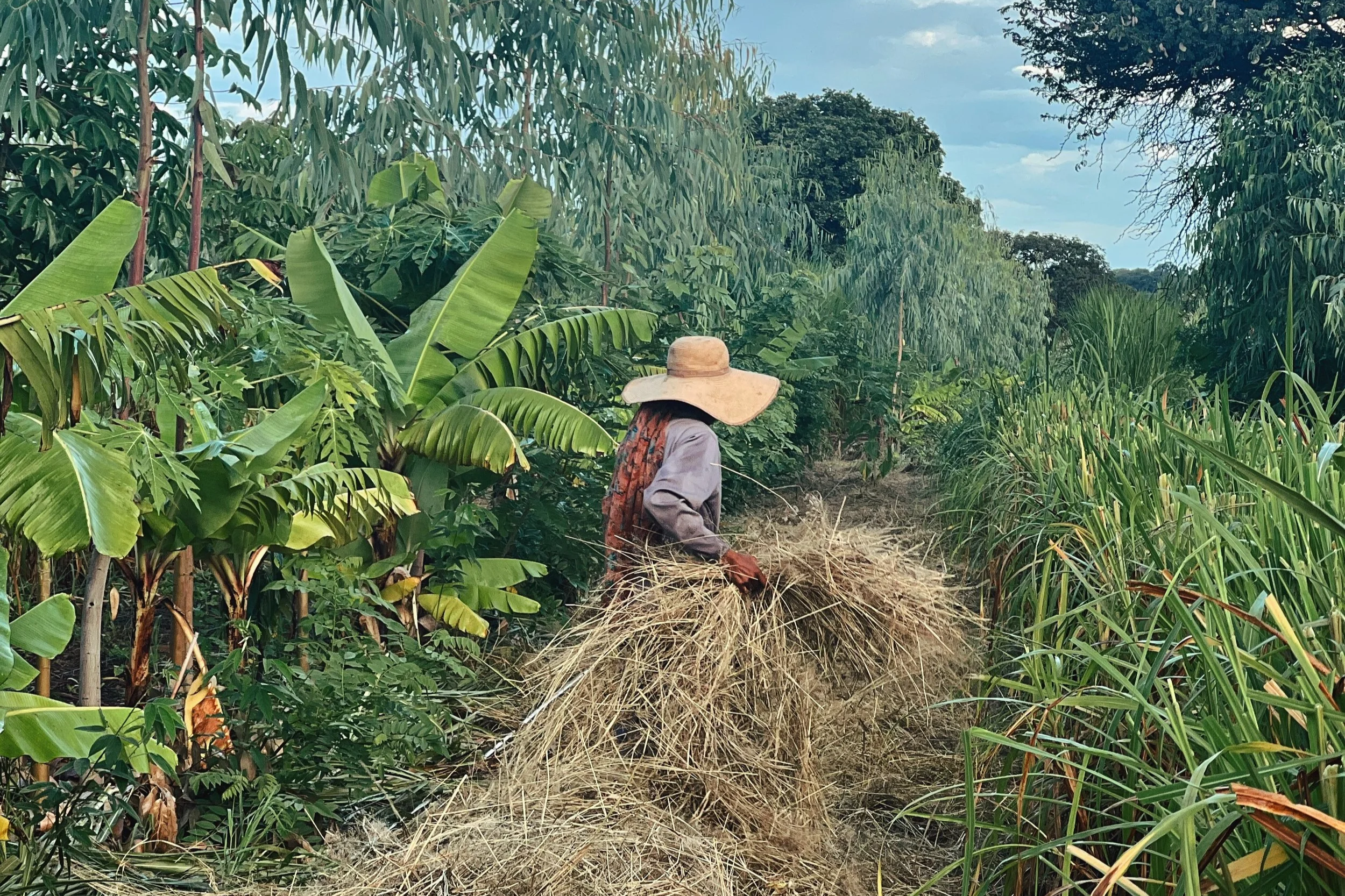
Avara Forest is the living Agroforestry system at the heart of Avara.
It is where regenerative food forests are designed, planted, observed, and evolved over time — forming the foundation of Avara as an emerging Agroforestry Hub in Namibia.
Here, agroforestry is not theoretical. It is lived, tested, and adapted continuously in response to the land.
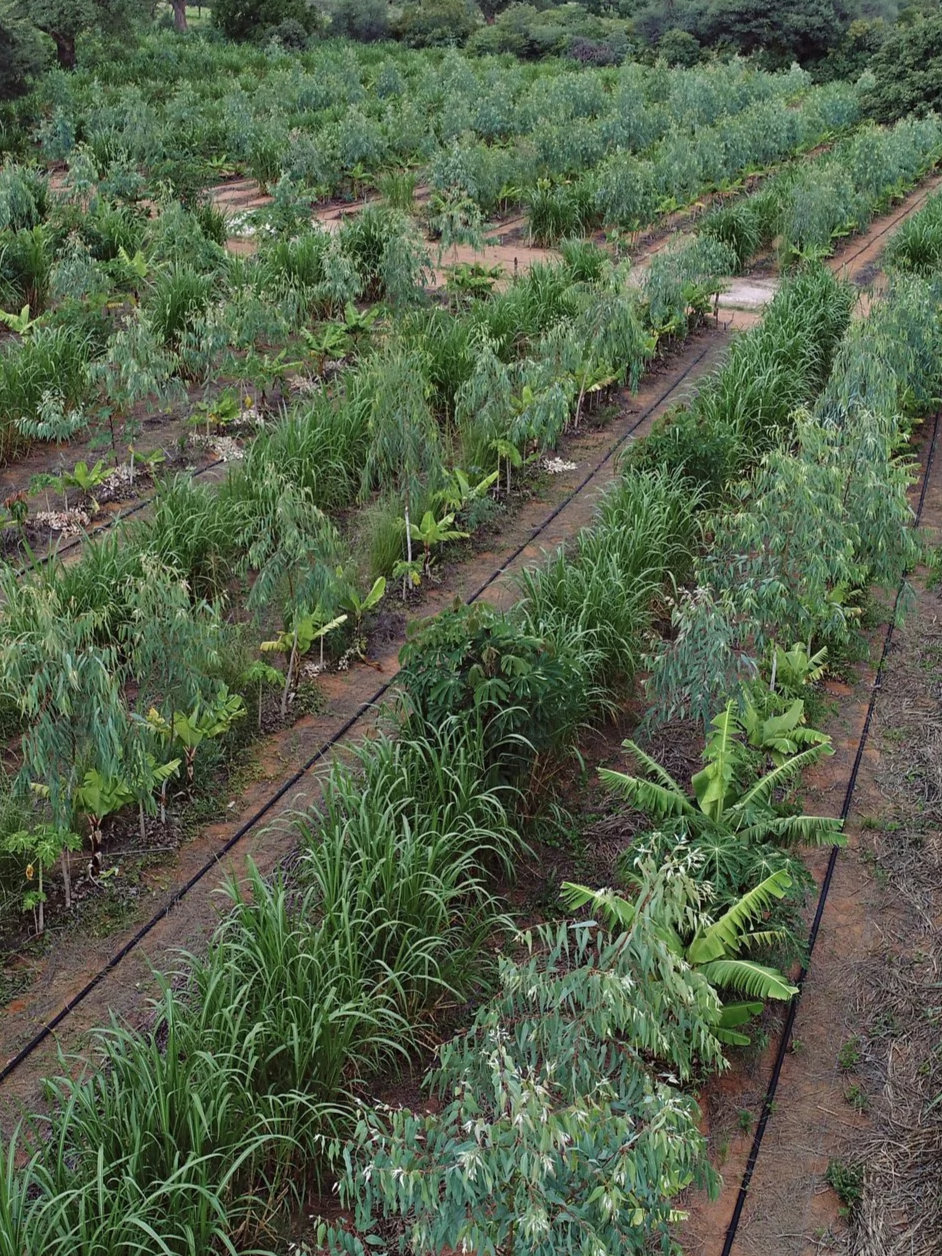
❋ Our ForestsIn February 2025, we planted our first two hectares of food forest. What we learned from that planting shapes our next planting this year — denser, deeper, and built around a simple truth: you have to invest in the soil before the soil can invest in you.
❋ Agroforestry HubAvara is the first dedicated agroforestry hub of its kind in Namibia. Not as a concept, but as a working practice on real land — tested honestly, adapted continuously, and built to be shared with the farmers and communities who need it most.
❋ ProduceEverything grown at Avara is grown for the people around us. Seasonal, organic, and shaped by the needs of the community rather than external demand. As the forest matures, so does what we share.
❋ Land UpdatesAvara Forest is always evolving. We share the journey as it unfolds — the seasons, the experiments, and the slow wins. Follow us on Instagram and Facebook @avaraforestfarm to stay close to the land.
Our First Forests
The Planting
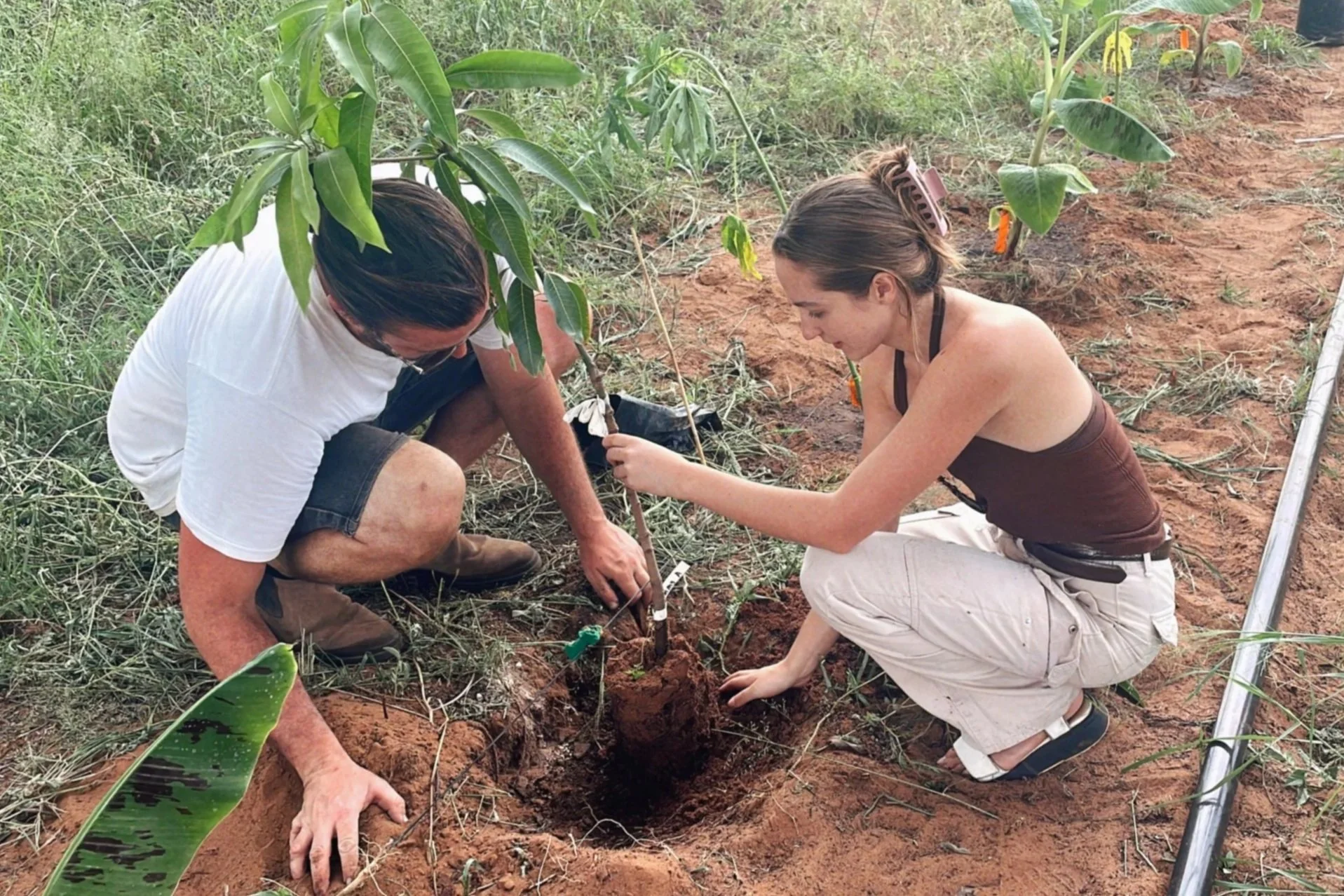
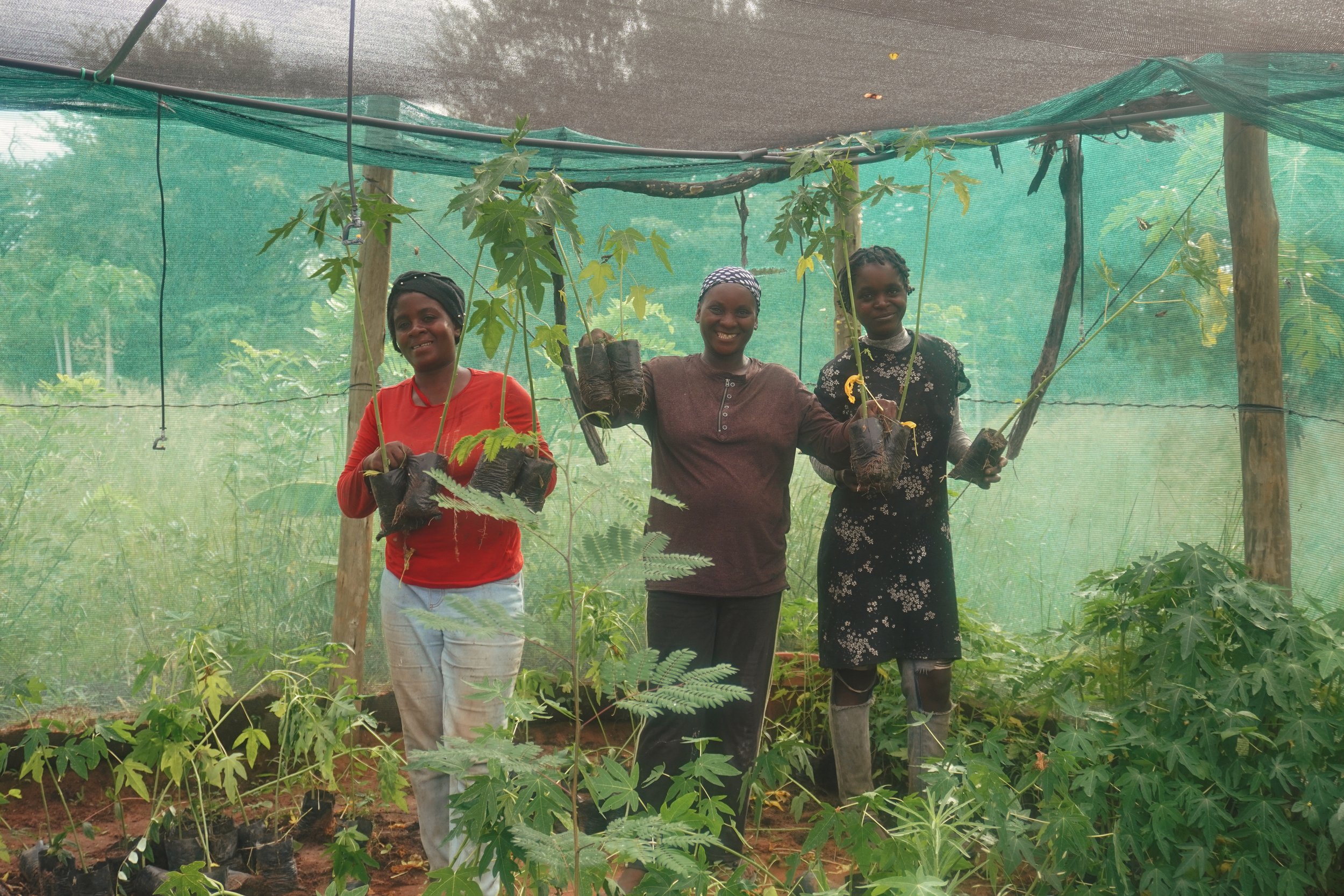
In February 2025, we brought the community together to plant our first two hectares of food forest — combining over 5000 plants to lay the foundations of a new ecosystem.
The first of it’s kind in Namibia meant there was no local blueprint to follow, no existing model to copy. So we worked with what we knew, what we observed, and what the land told us — planting strategically in systems, mixing nitrogen-fixing and biomass-producing support trees alongside fruit trees: banana, papaya, mango, and citrus.
What’s Next
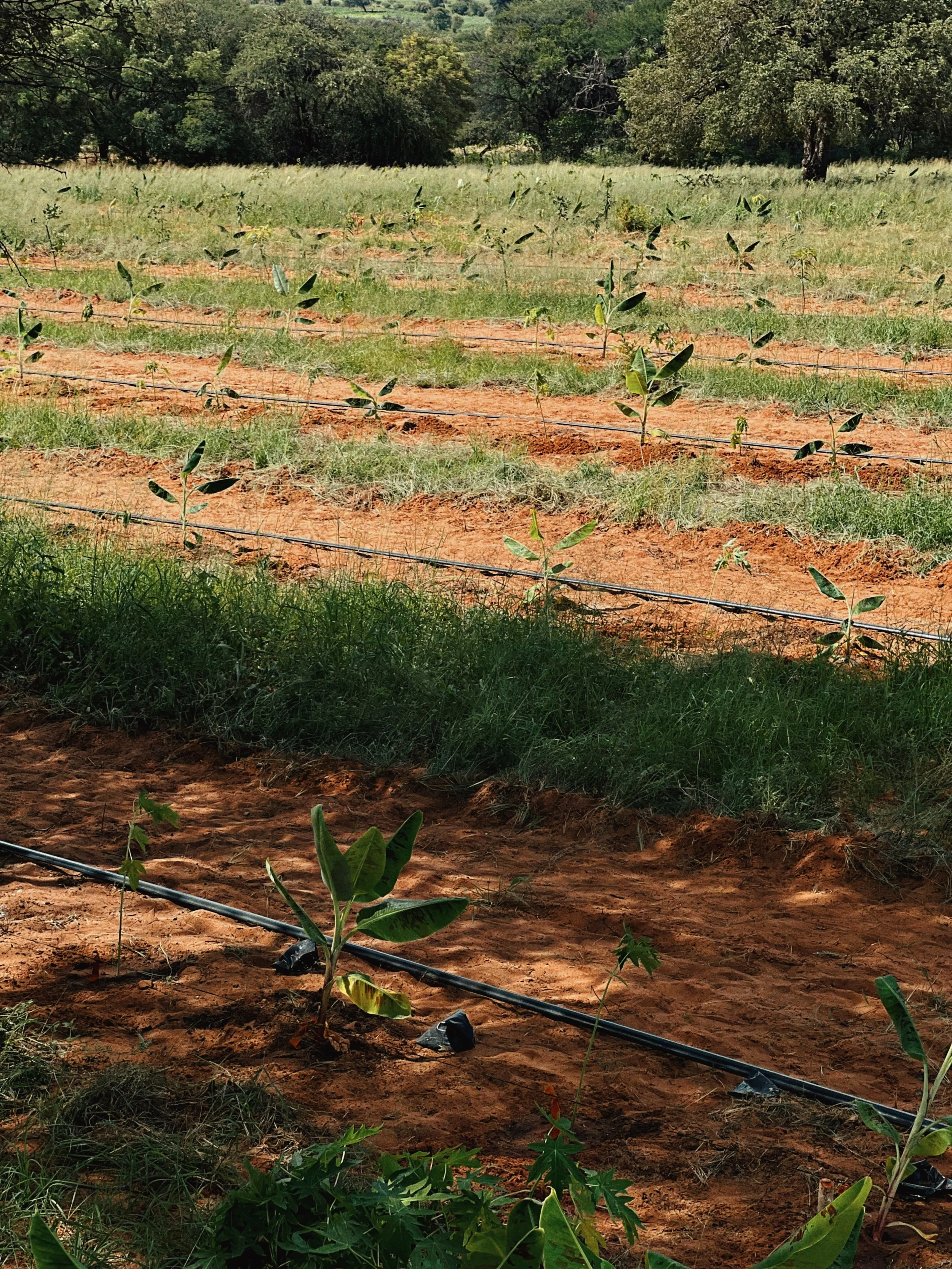
All that we learnt from that first planting shaped everything about the next four hectares that we’ll be planting very soon.
The land we started with is more problematic and depleted than we originally thought. So this time, the planting is denser, the tree lines closer, the biomass deeper. And crucially, we are using infestation planting first. Before any fruit tree goes in, we fill the land with plants that exist only to build the ecosystem - oil builders, nitrogen-fixers, ground covers. Only once the conditions are right will the fruit trees follow.
It is slower. It is more deliberate. And everything we have learned tells us it will work better.
“First you feed the soil.
Then the soil feeds everything else.”
Our Vegetable Fields
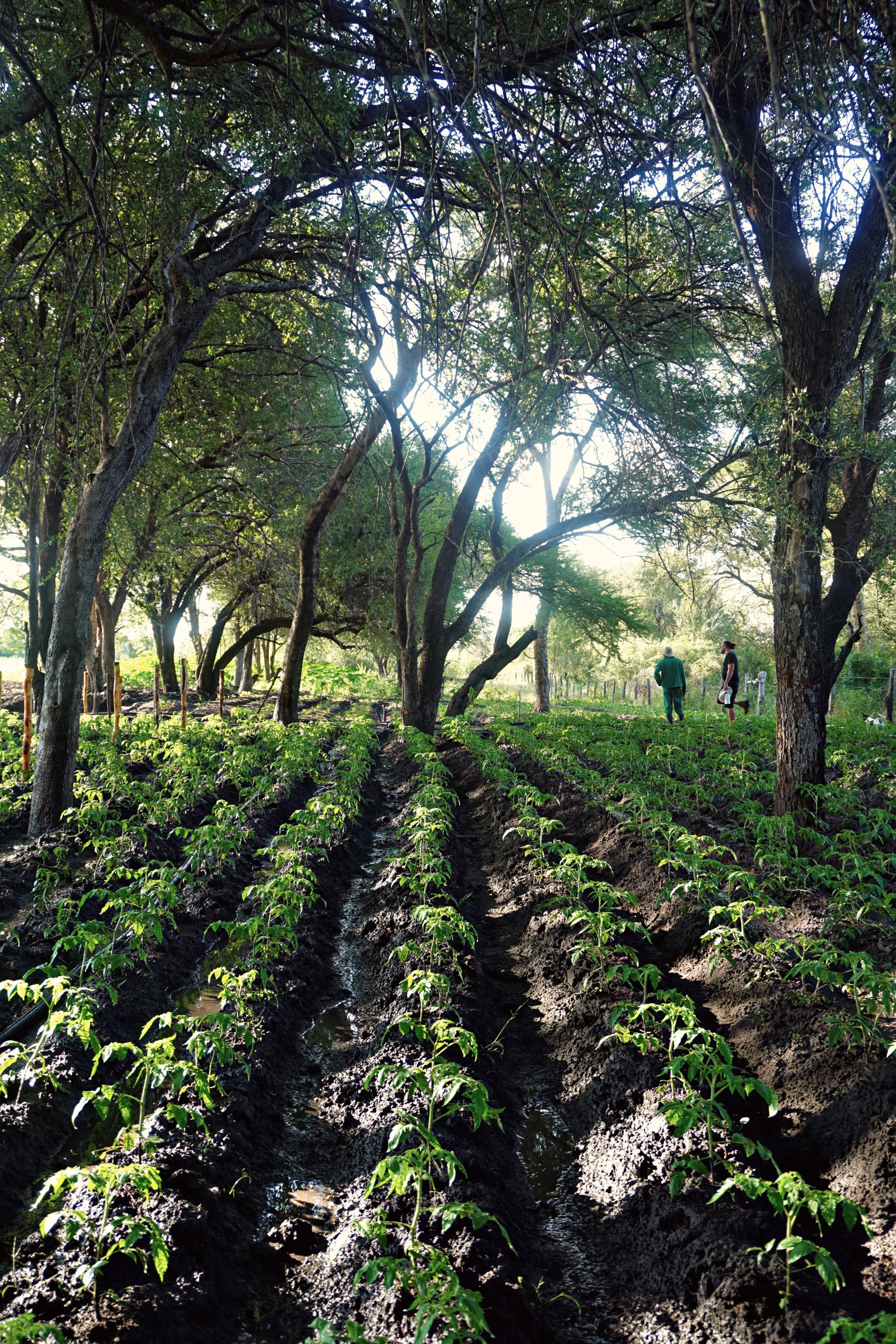
Alongside the food forest, we manage a separate hectare of vegetable production on an area that is more naturally fertile, where we grow a more subtle from of Agroforesty.
By the river, this field sits beneath a canopy of indigenous camelthorn trees that were already here when we arrived — offering natural shade, structure, and a reminder that this land has always known how to support life. We are now introducing supportive plants and additional tree species alongside the vegetables, gradually building a more structured system that will grow in diversity and resilience over time.
Tomatoes, onions, cabbage, kale, and carrots — organic, seasonal, and grown for the local community around us rather than external markets.
Avara Forest is always evolving — and we share that journey as it unfolds.
For seasonal updates, observations, and the honest day-to-day of building a food forest from the ground up, follow us on Instagram and Facebook.
@avaraforestfarm